When Connecticut homeowners want a privacy fence, the decision usually comes down to two materials: wood and vinyl. Both can deliver a private, attractive yard, but they differ in maintenance, cost, and long-term performance. Here's how they compare.
Appearance
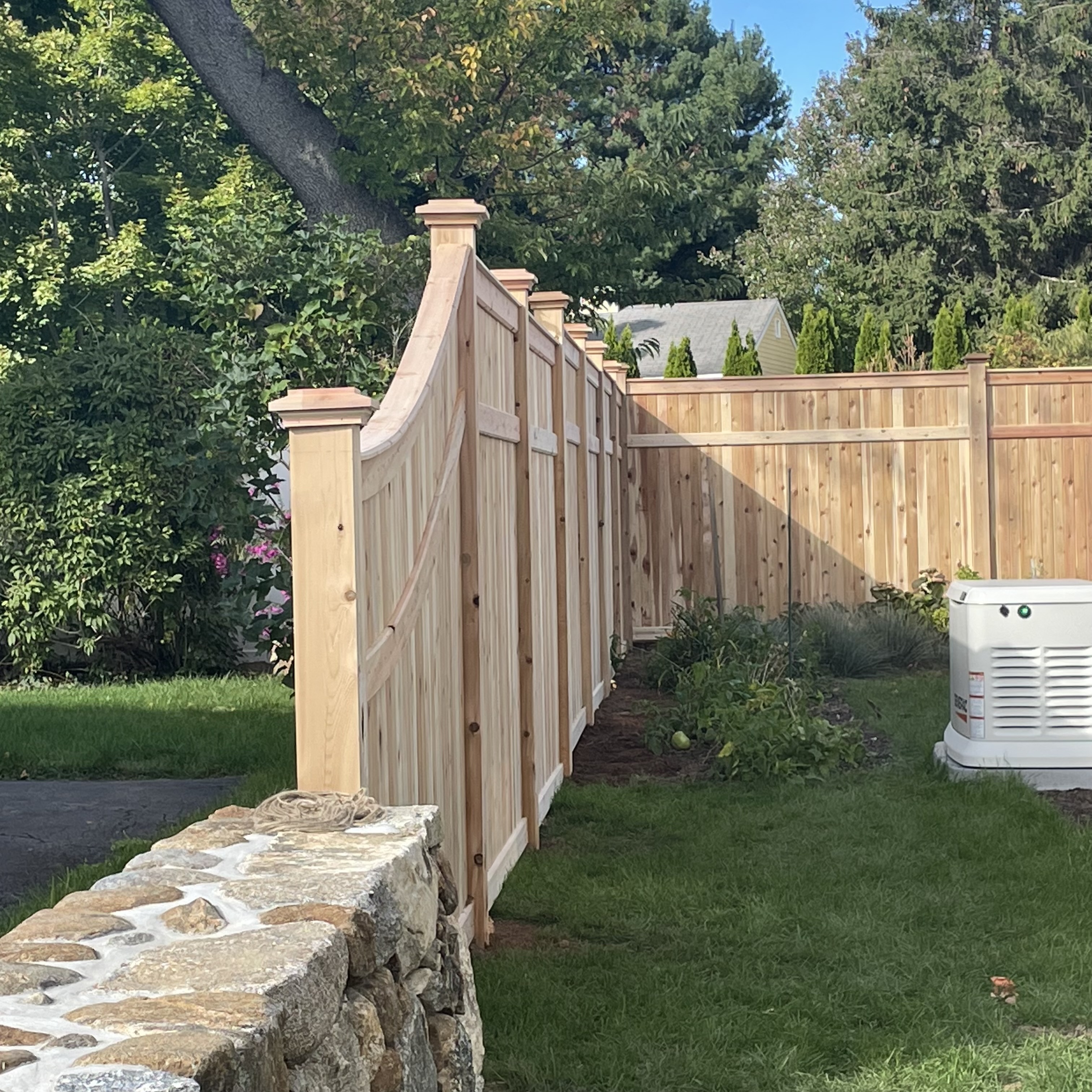
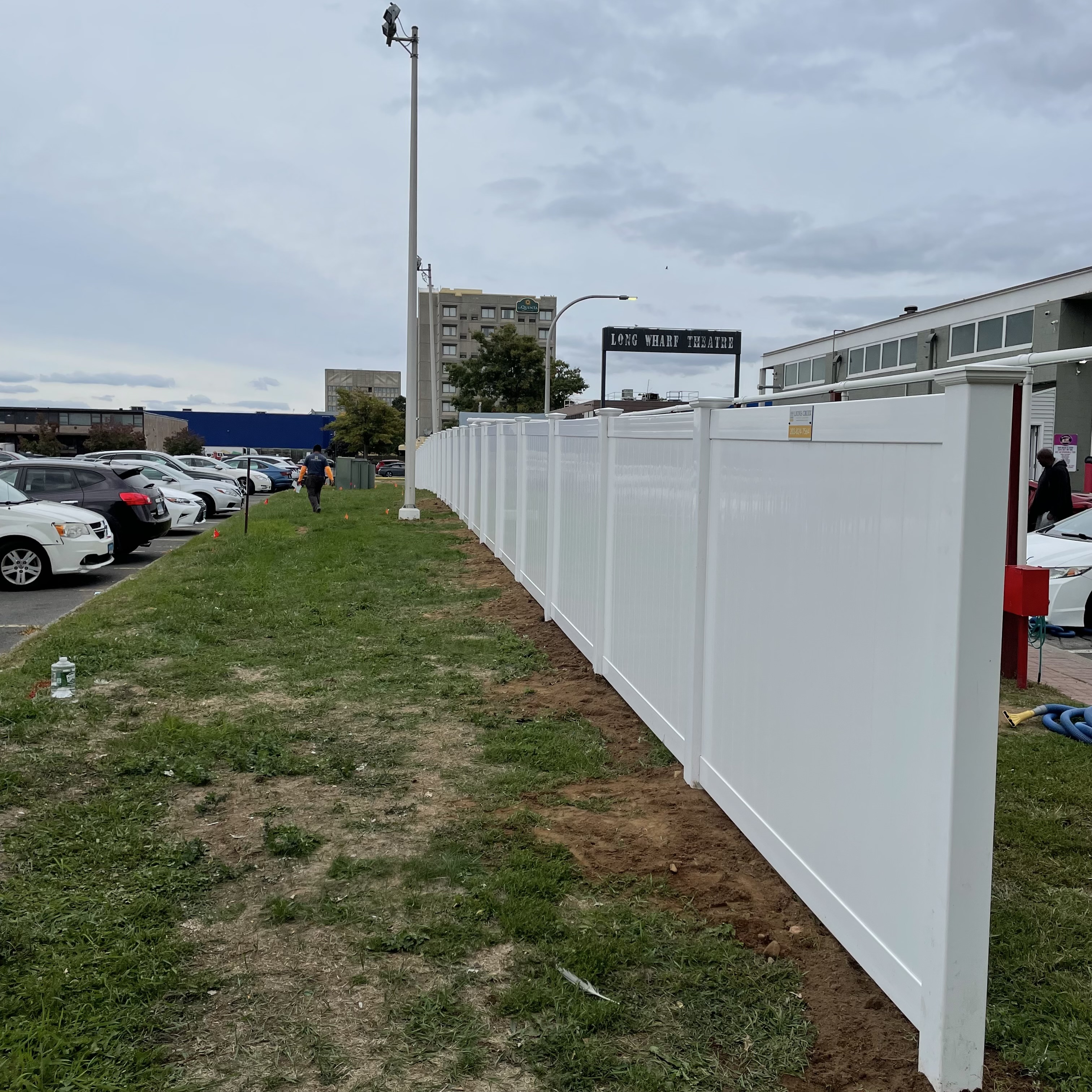
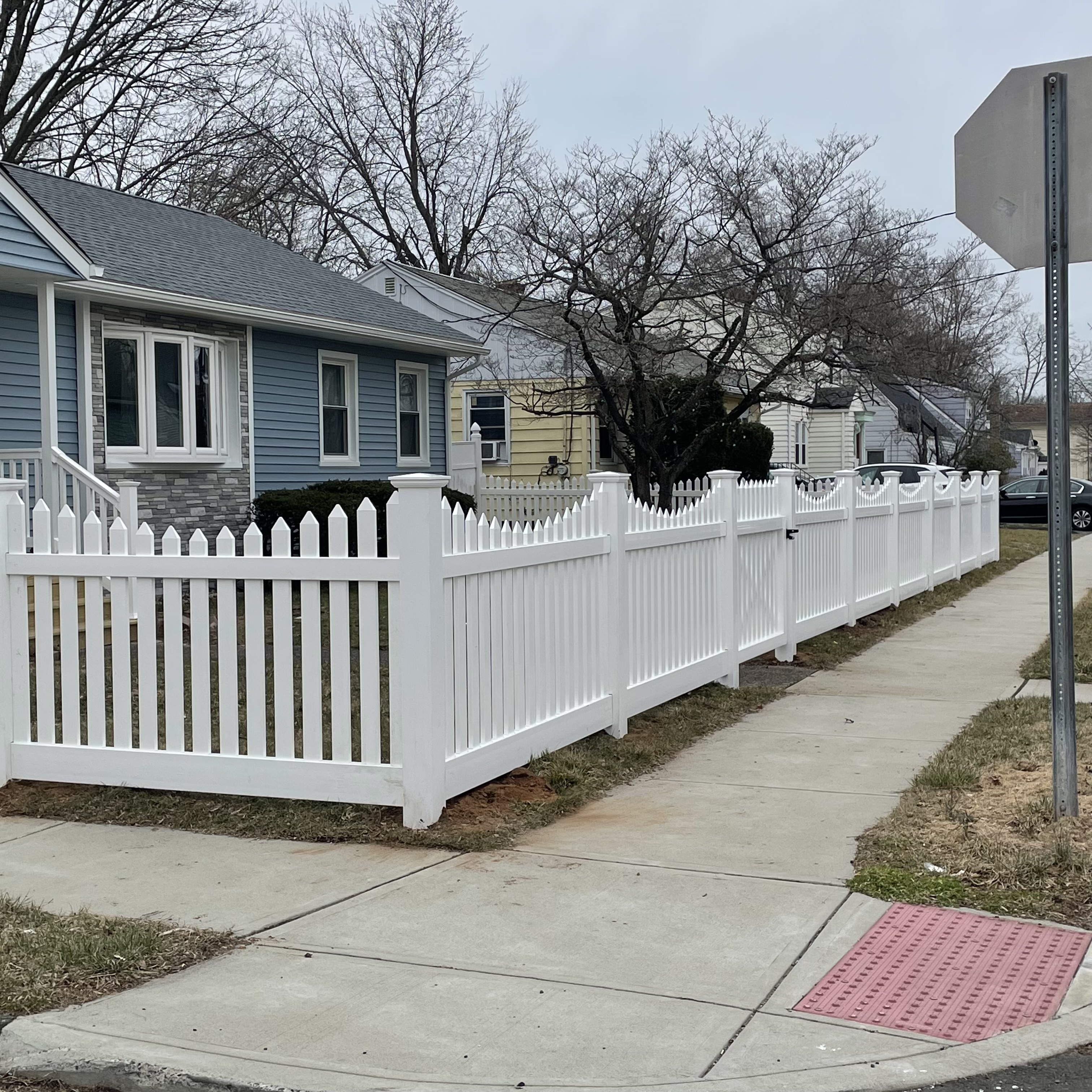
Wood offers a natural, organic look that blends with landscaping and traditional homes. It can be stained in a range of tones or left to weather naturally. Vinyl provides a crisp, uniform finish — most commonly white or tan — that stays clean and bright with little effort.
Maintenance
This is where the two materials diverge most. Wood needs periodic staining or sealing to protect against moisture and sun. Vinyl essentially needs a wash with soap and water now and then. If you'd rather not maintain your fence, vinyl has a clear advantage.
Durability in Connecticut
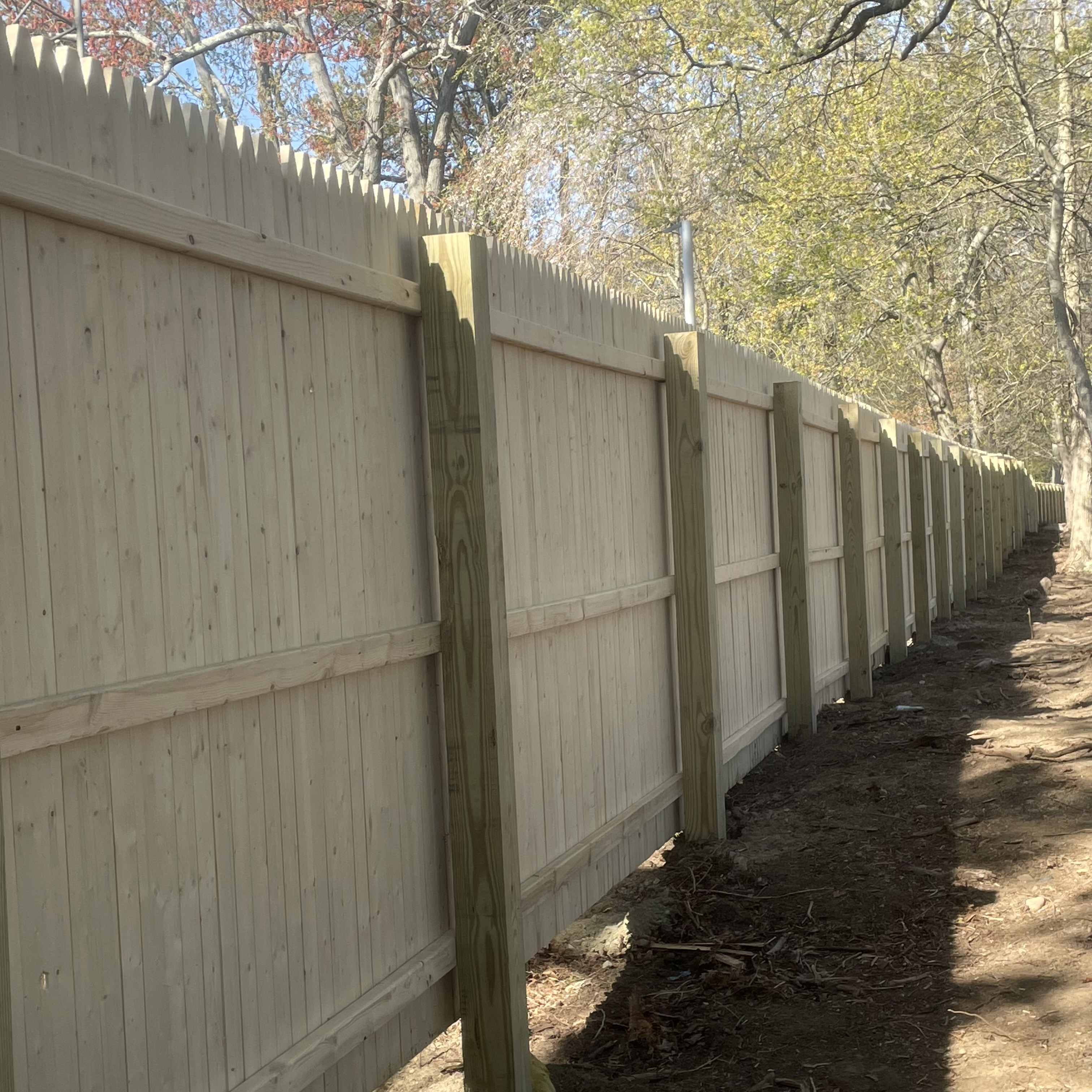
Both materials handle New England winters well when installed correctly. Cedar wood resists rot and insects naturally, and pressure-treated pine is durable. Vinyl won't rot, warp, or attract pests. In both cases, setting posts in concrete below the frost line is essential to prevent heaving.
Cost
Wood generally has a lower upfront cost than vinyl. However, vinyl's lower maintenance means its lifetime cost can be competitive. Think about how long you plan to stay in the home and how much upkeep you're willing to do when weighing the investment.
Privacy and Style Options
Both materials offer solid privacy styles. Wood can be built board-on-board for full privacy, while vinyl comes in solid privacy, semi-private, and picket styles. Either can include matching gates to complete the look.
Which Should You Choose?
Choose wood if you value natural beauty and don't mind periodic maintenance. Choose vinyl if you want a clean look that lasts with minimal upkeep. Both are excellent choices when installed by a contractor who understands Connecticut conditions.